For a lot of Muslims on the East Coast, the cheesesteak is the sandwich friends order while you get the chicken. The beef is the obvious problem. It is not the only one.
A cheesesteak has four parts: the meat, the grill it cooks on, the cheese and the roll. Each one can pass or fail on its own. Start with where the sandwich came from.
Where the cheesesteak comes from
Philadelphia’s tourism office dates the cheesesteak to 1930, when South Philly hot dog vendor Pat Olivieri threw beef on his grill and made a sandwich of it (Visit Philadelphia (opens in a new tab)). Today it is built from thin-sliced, sautéed rib-eye on a long, crusty roll, with Cheez Whiz, American or provolone (Visit Philadelphia: Cheesesteak 101 (opens in a new tab)).
Philadelphians order by naming the cheese and then saying “wit” or “witout” for fried onions. A “Whiz wit” is Whiz with onions. Outside Philly, plenty of shops add peppers and mushrooms, and some Philadelphians will tell you that is a different sandwich.
Part one: the beef
Rib-eye or another cut, the beef has to come from cattle slaughtered the halal way. That is a sourcing question, and only the cook can answer it. Ask who supplies the steak and whether they have documentation. If you care about hand slaughter versus machine slaughter, that matters less for beef, because machine slaughter is used in poultry plants (ISA (opens in a new tab)), but it is still fair to ask.
Chicken cheesesteaks follow the same rule. Ishkabibble’s on South Street has sold them since 1979 (Visit Philadelphia: Cheesesteak 101 (opens in a new tab)), and the halal question for chicken is the same one about the supplier.
Part two: the grill
A cheesesteak is made on a flat-top, the same steel plate where many shops cook bacon, sausage and pork roll. Scraping between orders does not satisfy everyone who keeps halal. If the shop serves pork, ask whether the halal steak gets its own grill space and its own spatulas.
This is where an all-halal kitchen saves a lot of questions. When nothing on the truck is pork, the grill is not a worry.
Part three: the cheese
Cheese depends on rennet, an enzyme that sets milk. Rennet can come from microbes, plants or animal stomachs. Microbial and plant rennets are accepted across the schools of thought; pig rennet is prohibited; and the majority of scholars hold that rennet from animals not slaughtered Islamically is not permissible, though a minority allow it (IslamOnline (opens in a new tab)).
Given that majority view, cheese deserves the same question as the beef. Ask the cook which cheese they use and whether they know the rennet type. A shop that buys from a big supplier can usually find out from the label or the distributor.
Part four: the roll and extras
The roll is rarely a problem. Basic sandwich rolls are flour, water, yeast, salt and sometimes sugar or oil. Extras are where to look: a cooking wine in the onions, a beer-based sauce, or bacon bits on the fries next to it. These are uncommon but worth one question.
Variations you will run into
Outside Philadelphia the sandwich has picked up a lot of options. A cheesesteak hoagie adds lettuce, tomato and often mayo. A pizza steak adds marinara and melted cheese. Many shops around DC grill peppers and mushrooms in with the onions, and the chicken version, often called a chicken Philly, is now standard.
None of these change the halal questions. Marinara is usually tomato, oil and herbs. Mayo is egg and oil. The things to watch stay the same: the meat, the grill and the cheese.
How to ask without making it awkward
Some people feel rude asking a cook where the beef comes from. You do not need to. Short questions work best at a busy window: “Is the steak halal?” and “Is any pork cooked on that grill?” A cook who knows will answer in a few words. If the cook is unsure, ask them to check with the supplier, and order something you are sure of in the meantime.
For an event, ask before you book, by email or phone, so the answers are in writing and you are not asking in front of a line of hungry guests.
Cheesesteaks for a crowd
If you are putting cheesesteaks on an event menu, know that each one is cooked to order on the grill: meat, onions, cheese, roll. That takes a few minutes per batch, and a long line of custom orders slows things down.
Two fixes help. Set a default build, such as onions and peppers in, so most people say “one Philly” and move on. And pair the cheesesteak with something faster from the fryer, so the line keeps moving while the grill catches up.
A quick checklist for any shop
- Halal beef or chicken, from a supplier the cook can name.
- No pork on the same flat-top, or a separate grill and tools.
- Cheese whose rennet type the cook knows, if that matters to you.
- No alcohol in the onions, sauces or seasoning.
Ours, briefly
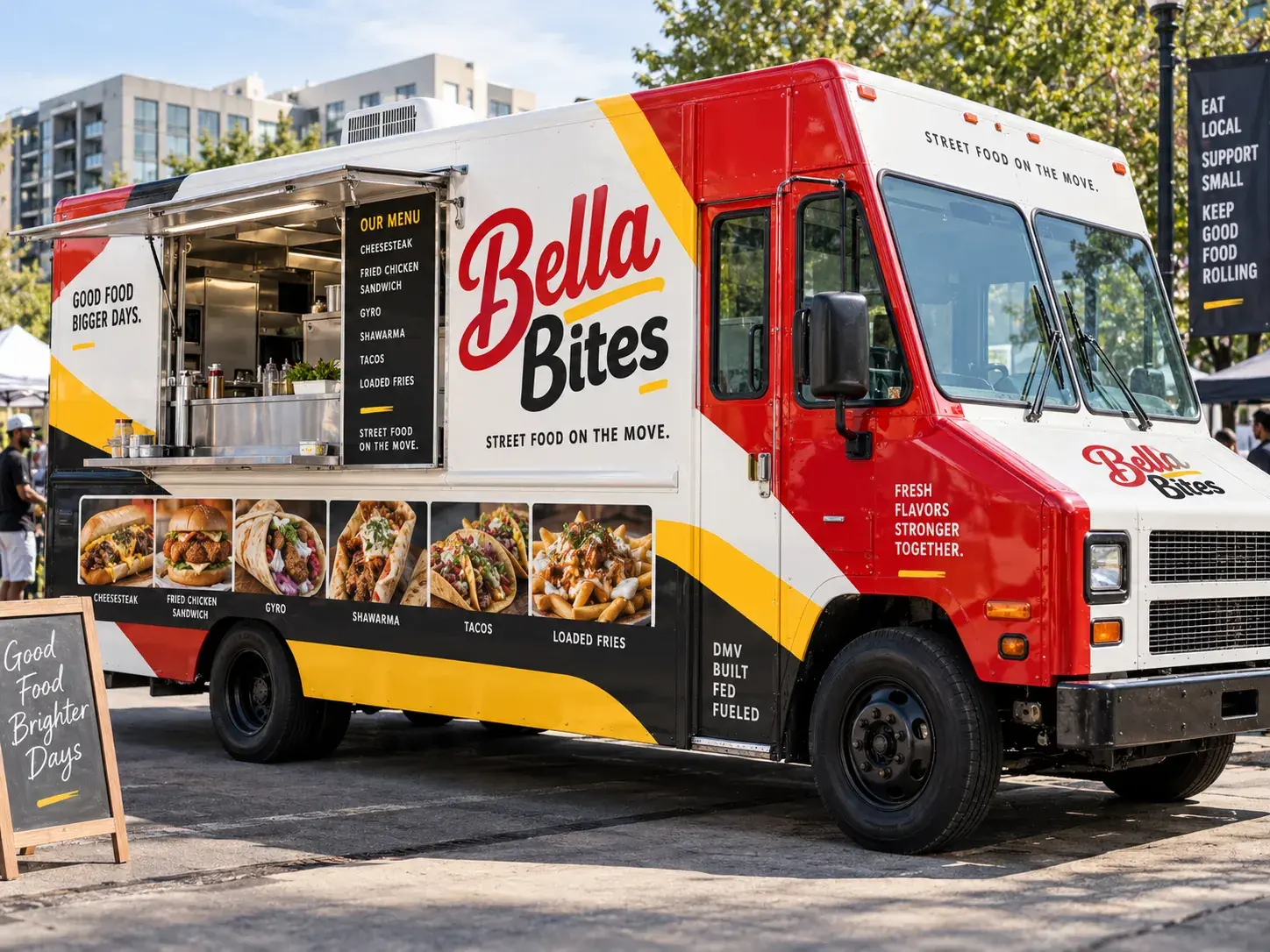
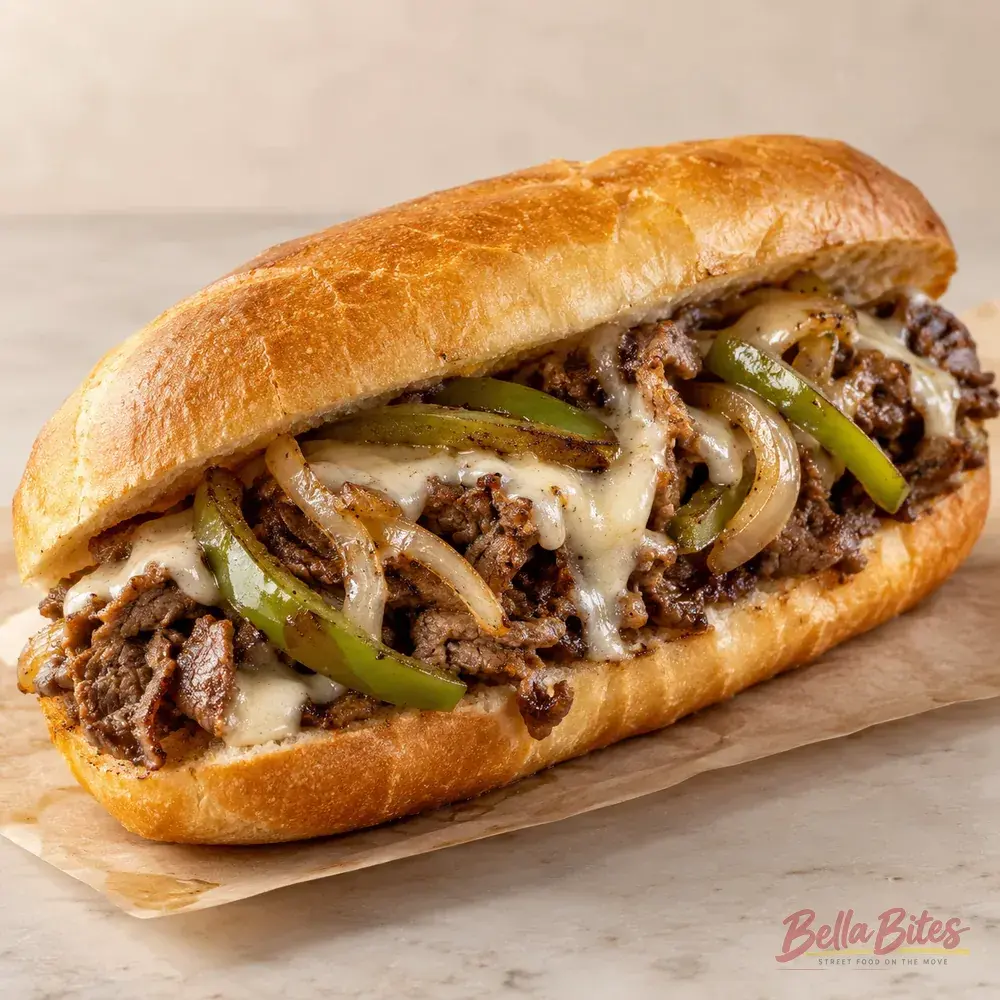
Our Philly steak sandwich is thin-sliced steak with grilled onions, peppers and melted cheese, made to order on a truck where the whole menu is halal. The Philly chicken is the same idea with grilled chicken, and both go well with cheesy fries. For an office lunch, both are on our catering menu too. Want to know about our suppliers or cheese before an event? Ask, and we will tell you what we use.
Questions people ask
Is a chicken cheesesteak automatically halal?
No. The chicken has to come from a halal supplier, and the grill, cheese and extras need the same checks as the beef version. The name of the sandwich says nothing about where the meat came from.
Is provolone or American cheese halal?
It depends on the rennet and the brand, not the type of cheese. If it matters to you, ask the cook which brand they use or check the label for microbial or vegetable rennet.
Sources
We link the pages we relied on so you can check them yourself. Rules and permits change, so confirm anything local with the office that issues them.