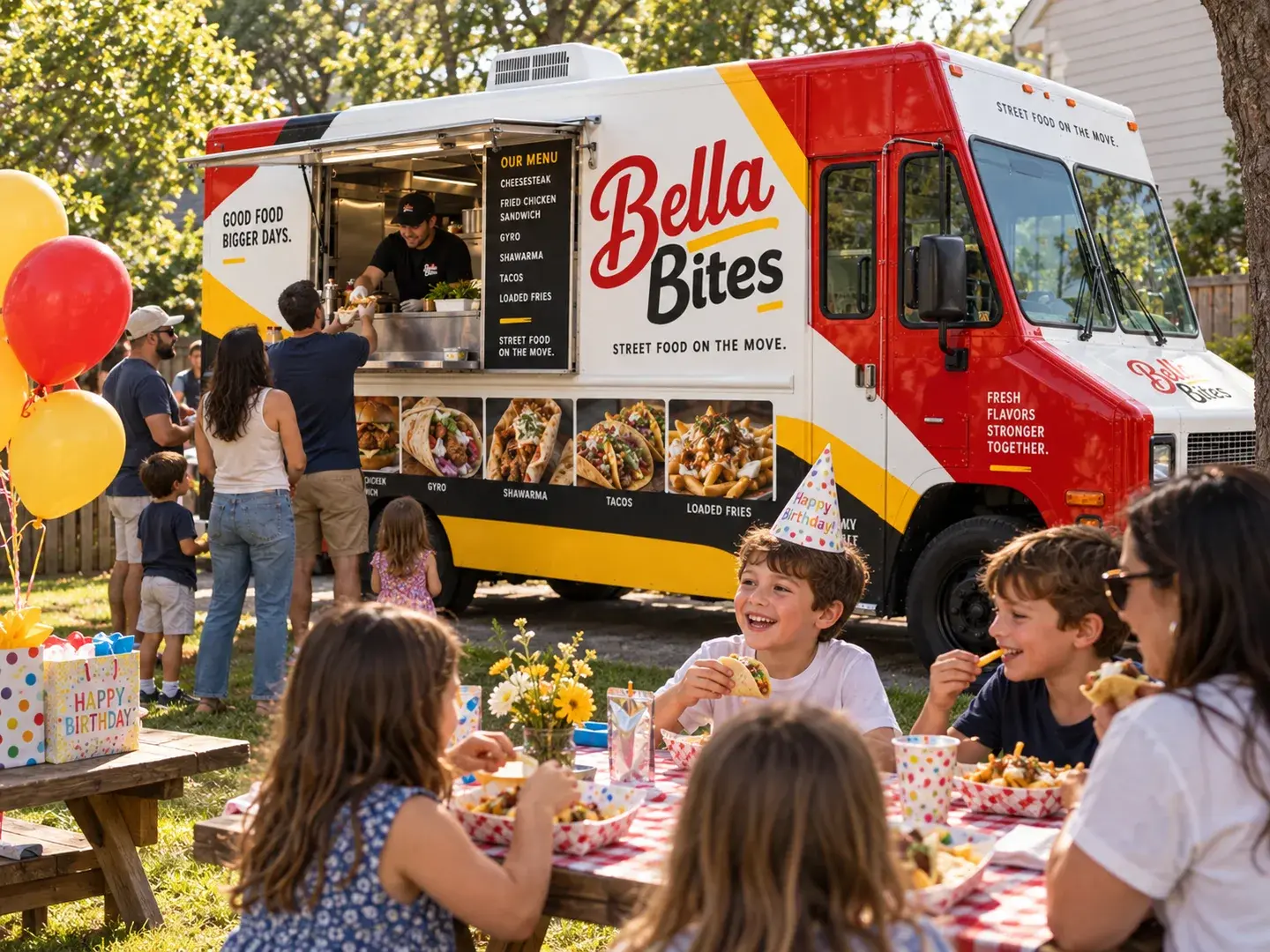
If you have never booked a food truck before, that is fine. The process has about seven moving parts, and once you know the order they come in, the phone calls get short.
This is the checklist we would hand a friend. It works for a backyard birthday in Bethesda, a school night in Fairfax or a block party in Northeast DC. Rules change from county to county, so treat the permit notes as a list of questions to ask, and confirm the answers locally.
Step 1: Pin down four facts before you call anyone
A truck operator can tell you very little until they know the date, the address, a rough guest count and the serving window. Those four facts decide availability, travel, how much food goes on the truck and how long the crew stays.
A range is fine for the guest count. “Somewhere between 60 and 90” is more useful than a guess dressed up as a precise number, because the operator can plan for the top of the range.
- The date, plus a backup date if you have one.
- The street address where the truck will park, not only the venue name.
- A guest-count range, with a note on how many are kids.
- The serving window: when the first plate should go out and when the line closes.
Add one more line if you can: who pays. Hosting the whole meal and letting guests buy their own food are two different quotes, so say early which one you want.
Step 2: Walk the spot where the truck will park
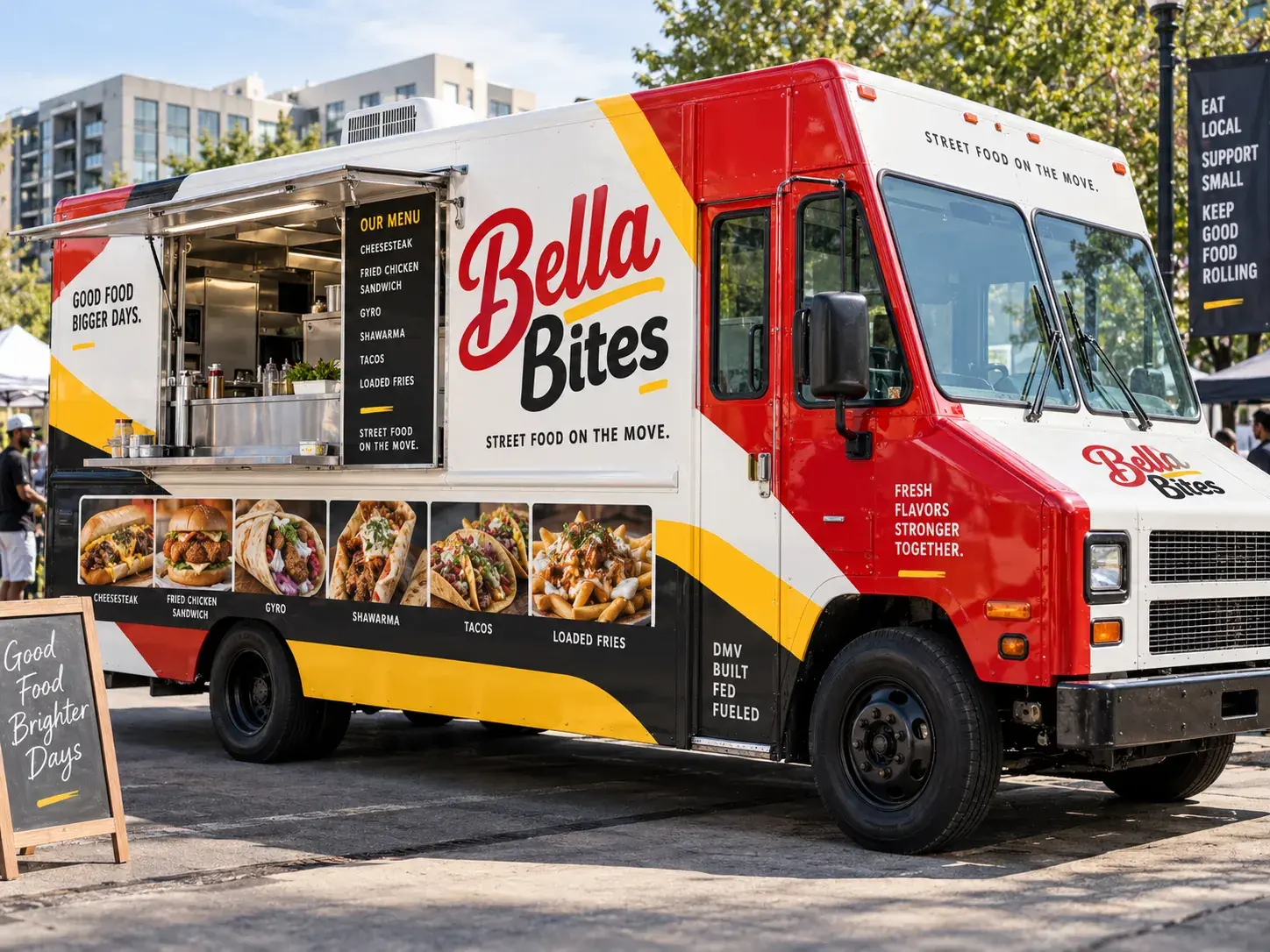
Go stand where you picture the truck. Look for a level, paved surface the truck can drive straight onto, low branches, overhead wires, a gate that might be too narrow, and somewhere for a line to form that is out of traffic.
Fire codes care about this too. The National Fire Protection Association’s food truck fact sheet lists a clearance of at least 10 feet from buildings, structures, vehicles and combustible materials, or whatever distance the local fire official sets (NFPA fact sheet (opens in a new tab)). That is one reason a truck tucked tight against a garage door is a bad plan.
We wrote a whole guide on this: how much space a food truck needs. Take a few phone photos of the spot while you are there. They answer most questions faster than a description.
Step 3: Find out who has to say yes
Before the date is final, figure out which people and offices need to approve a truck on that property. On your own driveway it may only be you. Anywhere else, there is usually at least one other party.
- The property owner or manager, for an office park, church lot, apartment complex or school.
- Your HOA board, if the truck will sit on a community street or common area.
- The venue, which may keep its own vendor rules and insurance requirements.
- The county or city, for public events and some parks.
Two local examples show how different this gets. In Fairfax County, the organizer of a temporary food event must get the application and fee to the Health Department at least 10 days before the event (Fairfax County Health Department (opens in a new tab)), and any truck working there needs its own county Food Establishment Permit for mobile units (Fairfax County: Mobile food units (opens in a new tab)). Montgomery Parks allows food trucks at picnic shelters only with prior approval, and the truck may serve only your party, with no walk-up sales. You need a confirmed shelter permit first, then a Special Use Permit for the truck, requested at least seven business days ahead. On top of that, Parks wants a current Montgomery County food license and a liability insurance certificate listing M-NCPPC (Montgomery Parks FAQ (opens in a new tab)).
The truck’s own licenses are the operator’s job. In DC, for example, vending businesses that run mobile vending vehicles need a Mobile Site Permit for each vehicle (DC DLCP (opens in a new tab)). Ask your operator which permits they hold and which ones, if any, you need as the host.
Step 4: Choose a short menu
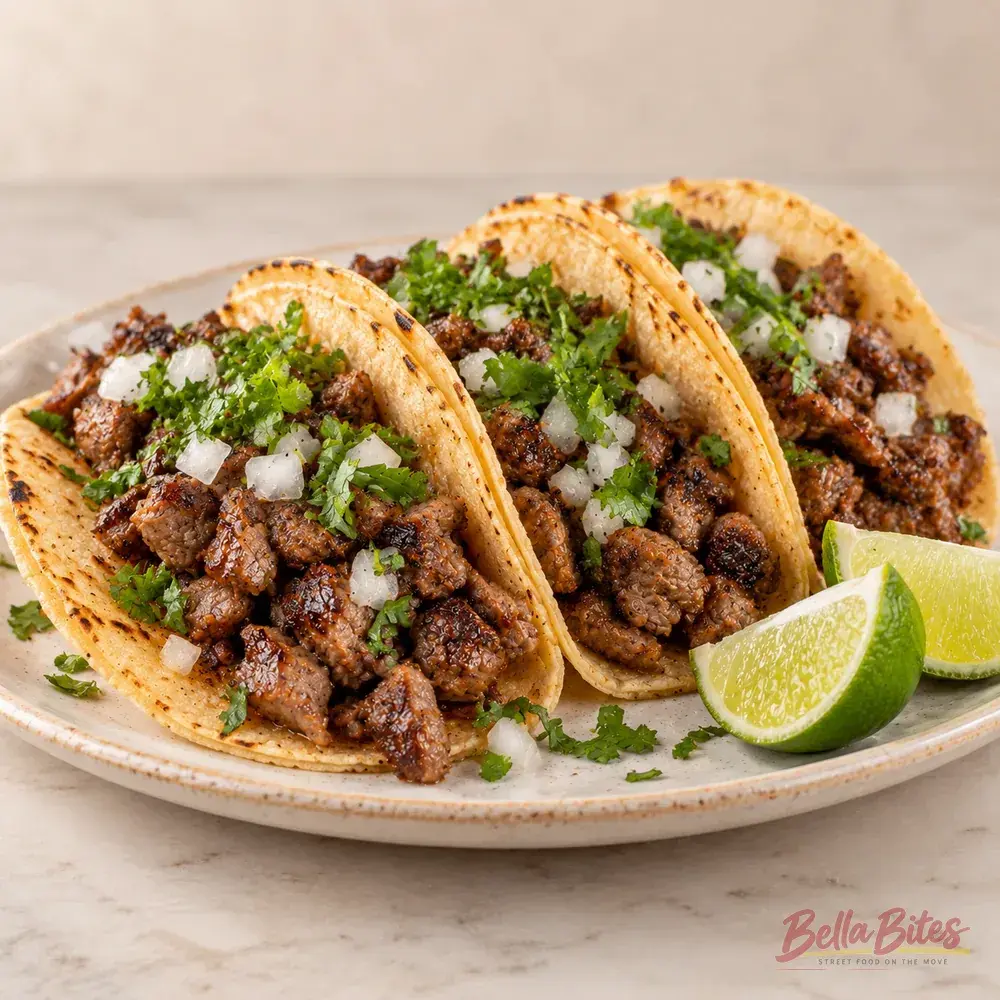
A long menu slows the line. Every extra choice is a few seconds of someone staring at the board, and at a party those seconds stack up. Four to six items usually covers a crowd: a couple of mains, something vegetarian, something kids will eat and a side or a sweet.
If you already know what your crowd likes, shortlist it. On our menu page you can tap dishes into an event shortlist that goes along with your request, so the conversation starts from food you picked.
Step 5: Decide how people pay
There are three common setups, and each one changes the feel of the event.
Hosted
You cover the food and guests order at the window without paying. This feels the most generous and is the norm for weddings, birthdays and staff appreciation days. You settle one bill with the operator.
Pay your own
Guests buy their own food at the window. This suits community nights, apartment events and fundraisers where the truck is an amenity. Some operators ask for a sales guarantee on these dates, so ask how that works.
A mix
You cover one item per person, or cover the first hour, and guests pay for anything beyond that. Tickets or wristbands make this easy to run.
Step 6: Read the quote line by line
A good quote spells out what you are agreeing to. If any of these are missing, ask before you sign:
- Arrival time, serving start and serving end.
- The menu, and whether it can change after booking.
- Deposit amount, when the balance is due and the cancellation terms.
- What happens in heavy rain, snow or extreme heat.
- Whether the operator can provide a certificate of insurance, and the exact wording your venue needs on it.
Every event gets priced on its own, because distance, time and menu all move the number. Be wary of any quote that skips the terms and jumps straight to a total.
Step 7: The week before, and the day of
Send the operator a short confirmation with the address, a day-of phone number for someone who will actually be on site, and the photos of the parking spot. If there is a gate code or a parking pass, include it.
On the day, save the spot. Put out cones or a couple of chairs so nobody parks where the truck needs to go. Set a trash can near the window. If the truck arrives to a full lot, everyone loses twenty minutes.
Running short on time? Some operators take last-minute dates when their schedule allows. Ours are on the short-notice page.
Questions people ask
How far ahead should I book a food truck?
As soon as you have a date. Spring weekends, graduation season and fall weekends fill first in the DC area. A few weeks of lead time also gives you room to sort out any permits or property approvals.
Do I need a permit to have a food truck at my house?
Often not for a private party on your own driveway, but it depends on your county, your HOA and whether food is sold to the public. Ask the operator what they already hold and check with your HOA or county if the truck will use a street or common area.
Sources
We link the pages we relied on so you can check them yourself. Rules and permits change, so confirm anything local with the office that issues them.
- National Fire Protection Association: Food truck safety (opens in a new tab)
- Fairfax County Health Department: Temporary Food Establishment permits (opens in a new tab)
- Fairfax County Health Department: Mobile food service units (opens in a new tab)
- Montgomery Parks: Permits and rentals FAQ (opens in a new tab)
- DC Department of Licensing and Consumer Protection: Vending (opens in a new tab)